08 · Confessions
The project,
and its detours
I investigate what it means to be a living being in an age of ecological collapse, biotechnology, and AI.
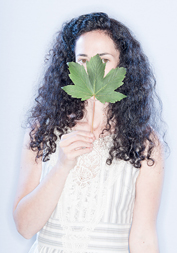
This is what it is
Everything on this site – the philosophy, the poems, the books, the broadcasts, the exhibitions, the librettos – is one project in different forms.
It has taken more than twenty years to figure out what I am doing. This is how it unfolded.
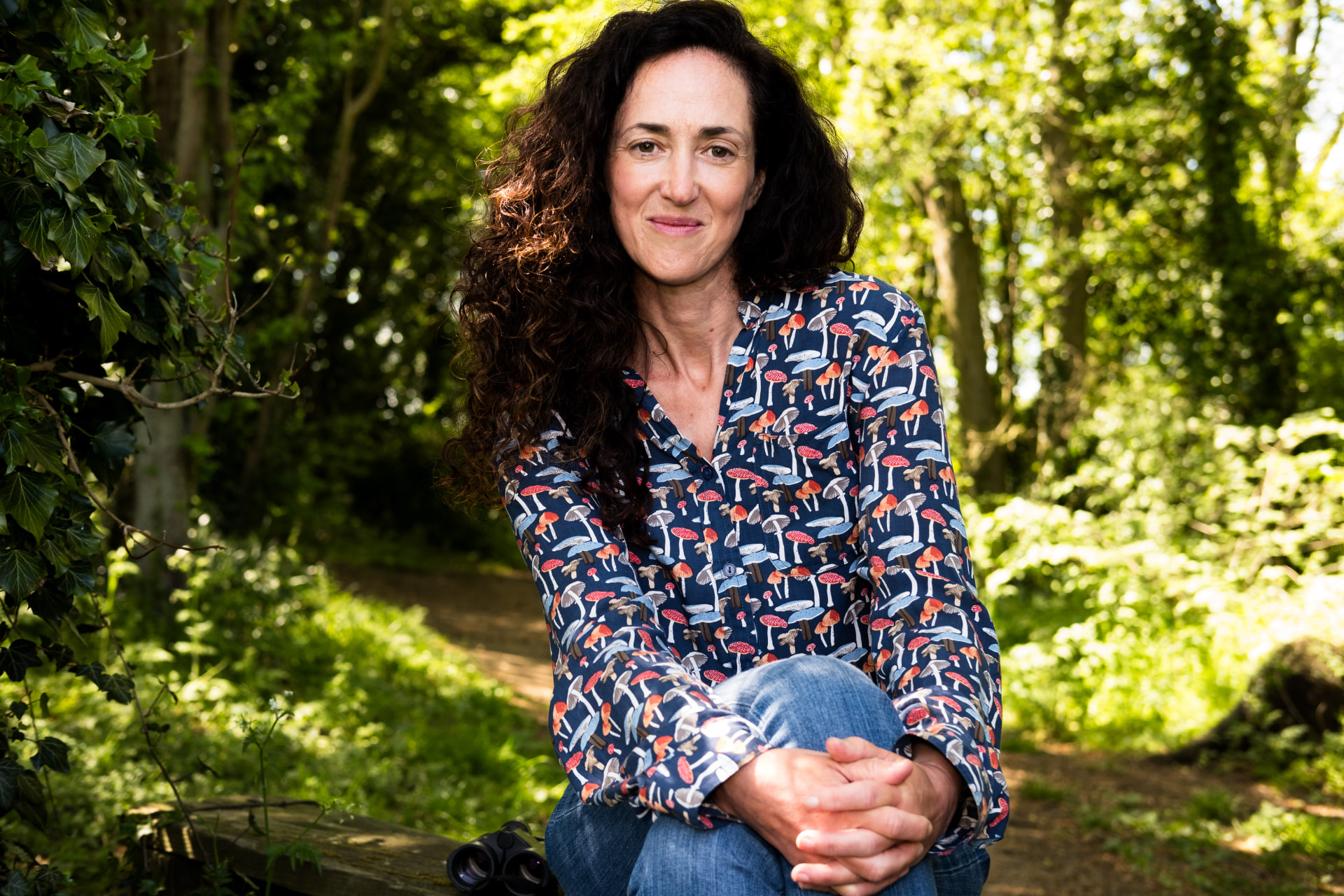
“I use writing and literature as an instrument to try to sharpen and deepen my understanding of the world.”
Publishers Weekly interview, 2012
How it unfolded
Roughly honestBeginnings
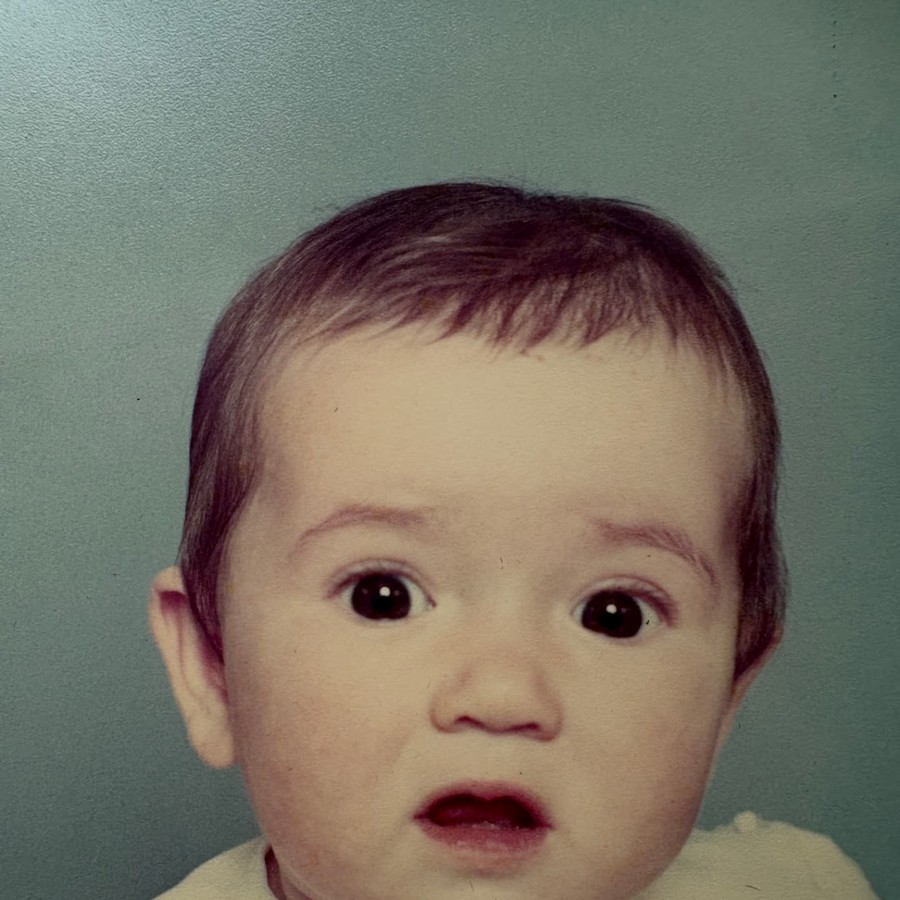
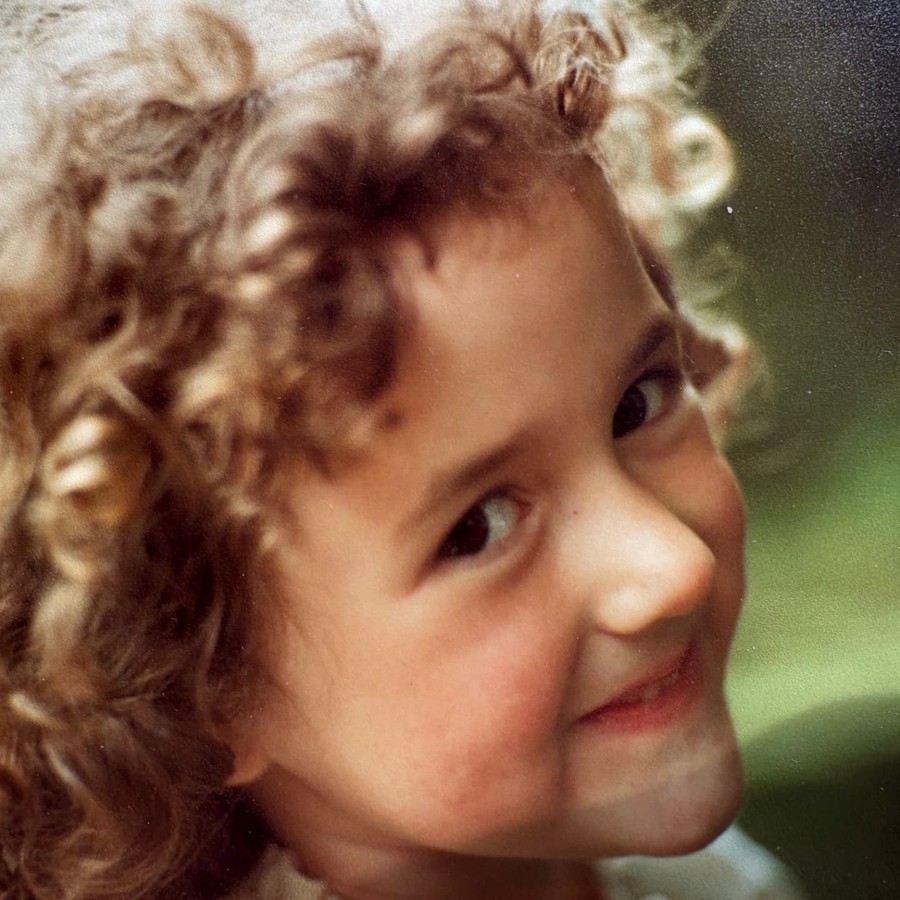
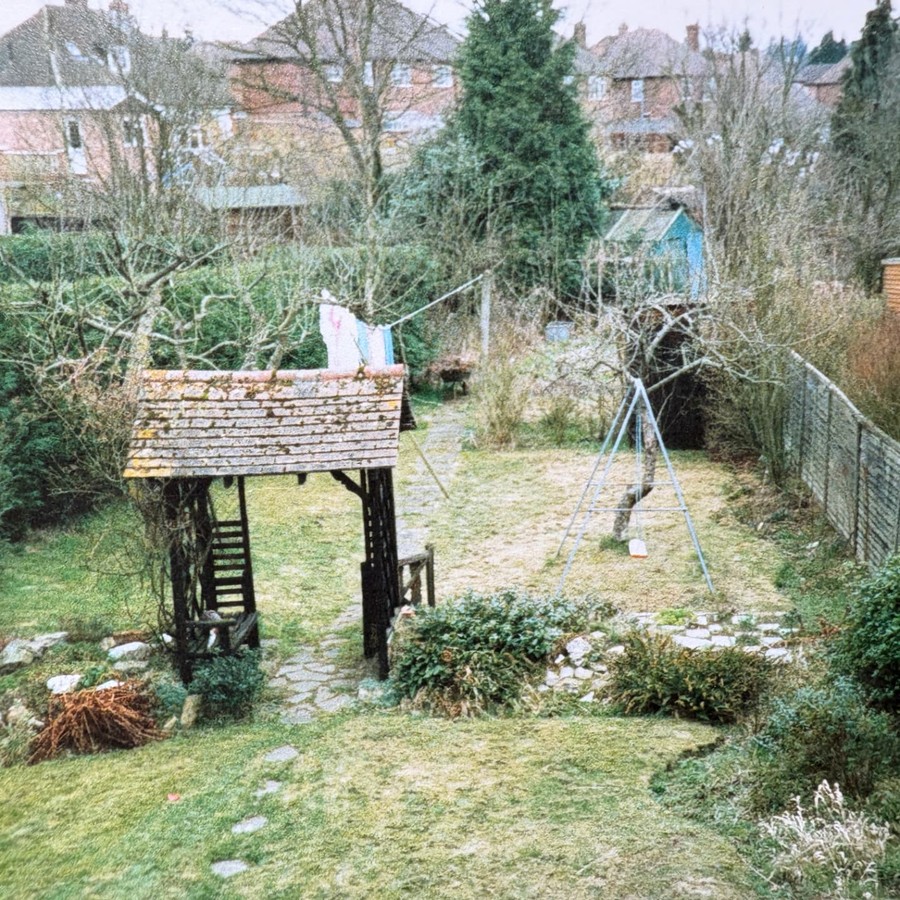
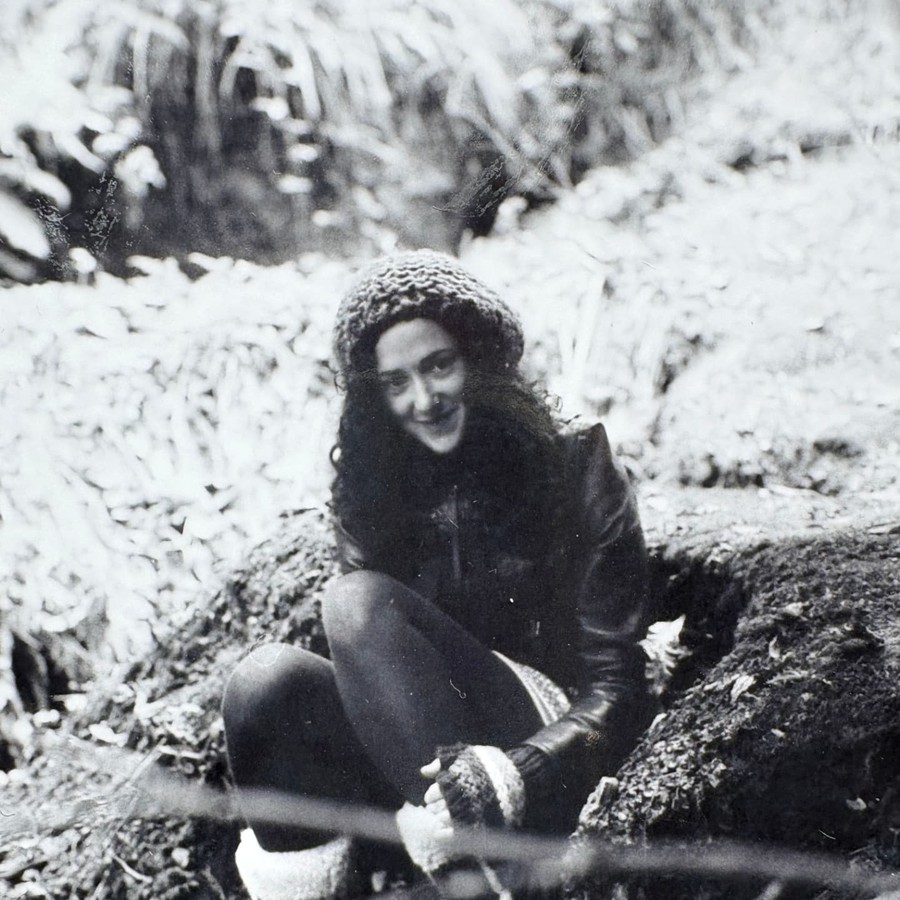
My first lab was my back garden. I published my first poem, on captive polar bears, as a child in my local newspaper.
Oxford and after
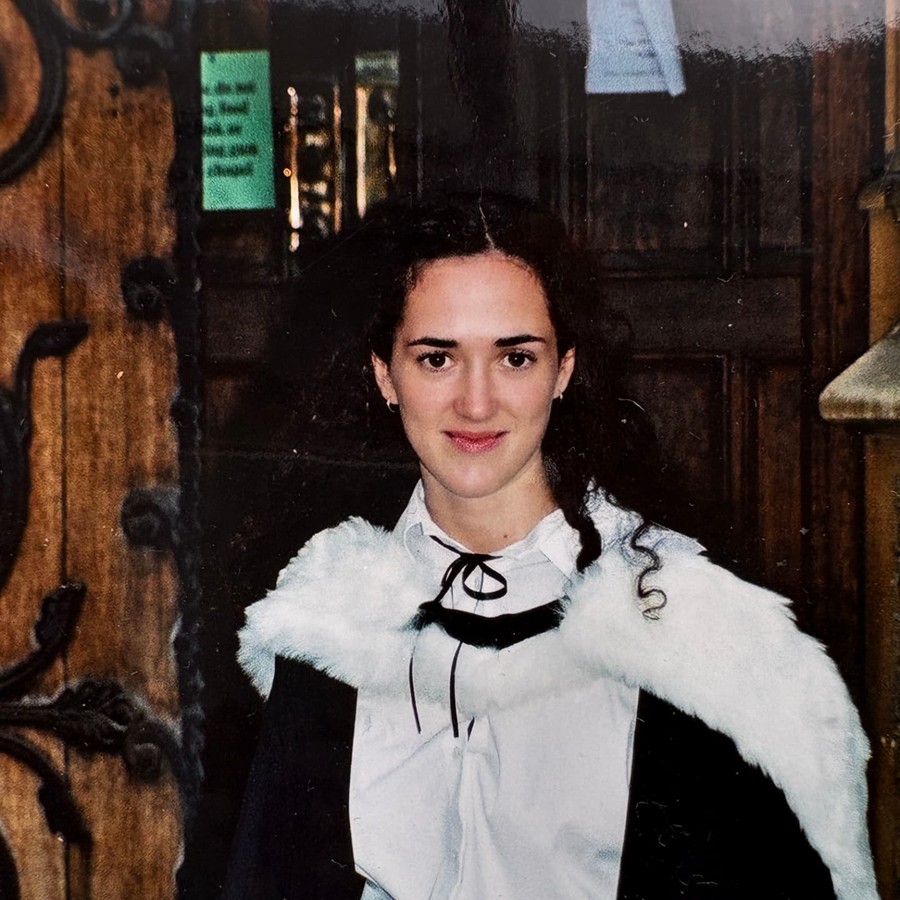
I swithered between doing anthropology and archaeology or English Literature and Language, but eventually studied the latter at Oxford University.
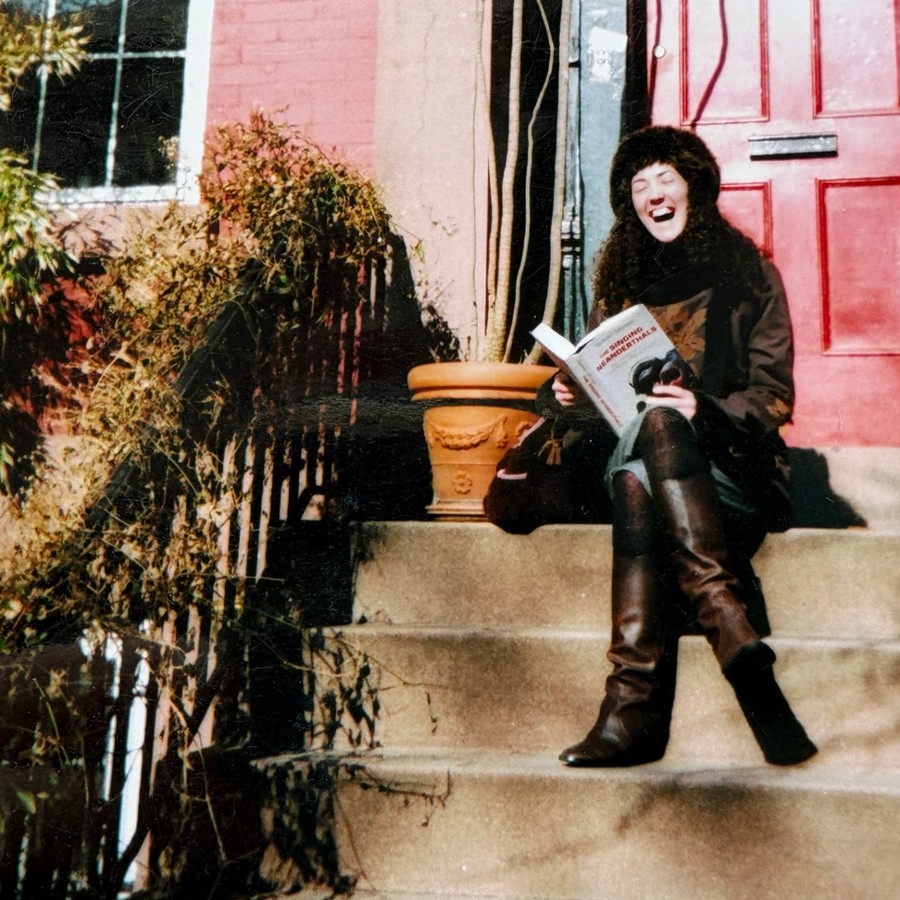
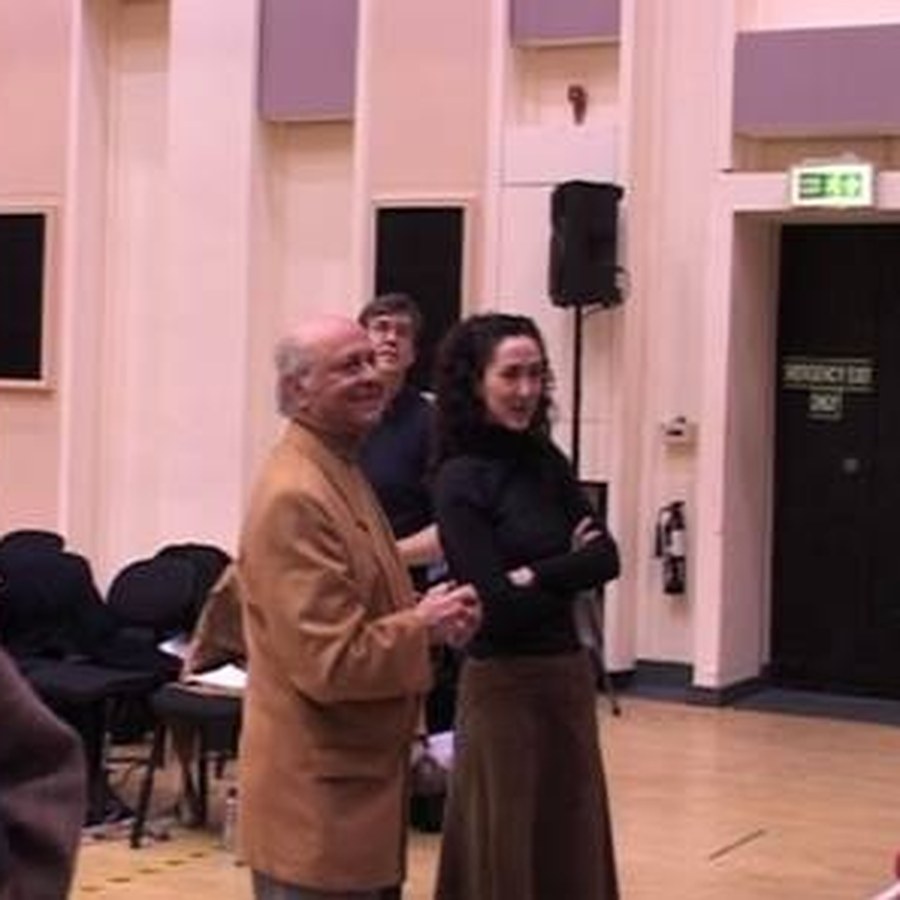
I worked in opera education immediately after university, and spent hours in the Bodleian reading voraciously across information theory, ecology, history, and art theory. I think I was trying to figure out what matters.
I began writing and publishing poetry in my twenties. My first collection, Galatea, received an Eric Gregory Award in 2005 and was shortlisted for the Forward Prize for Best First Collection.
I moved between those two impulses: entering experience imaginatively, and standing back to ask what sort of creature the human being is.
Violence, testimony, memory
At the same time I became involved in projects concerned with violence, testimony, and memory. I collaborated with a number of organisations, including Amnesty International and the Imperial War Museum.
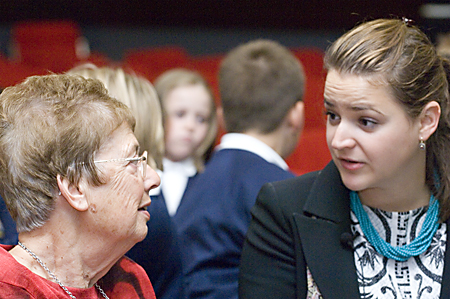
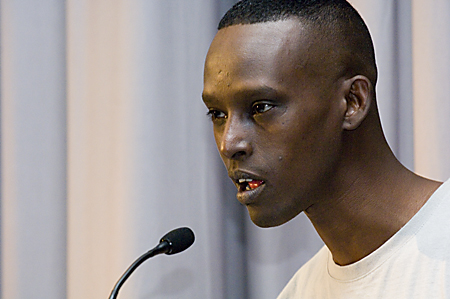
I worked on Annelies, James Whitbourn's setting of Anne Frank's diary, and co-edited Stolen Voices, an anthology of young people's wartime diaries, with my friend Zlata Filipović, who had survived the Siege of Sarajevo.
Working so closely with survivors of human atrocities, and also with the words of the dead, profoundly altered me and my direction.
The far south
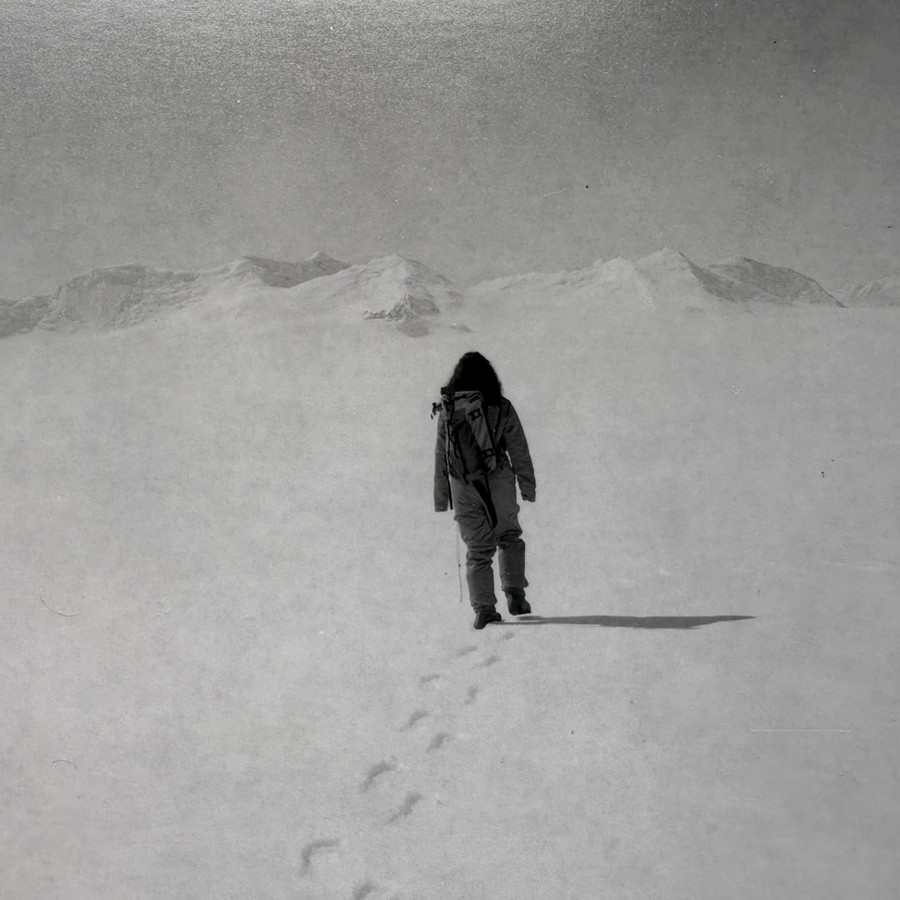
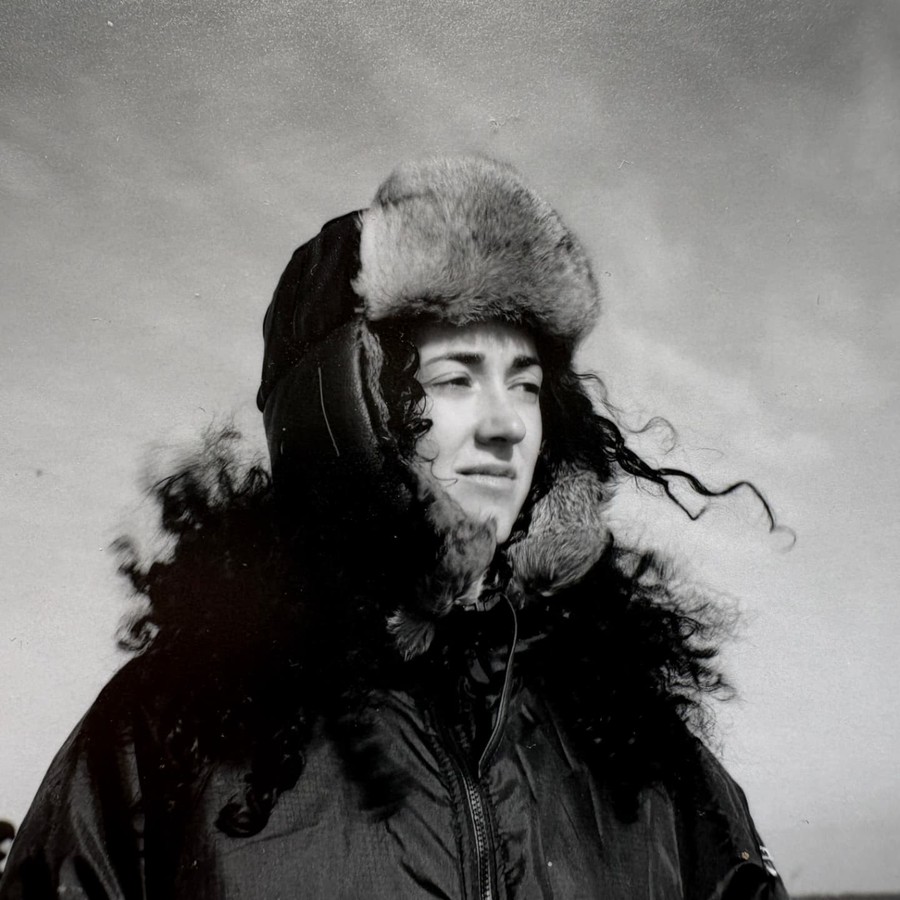
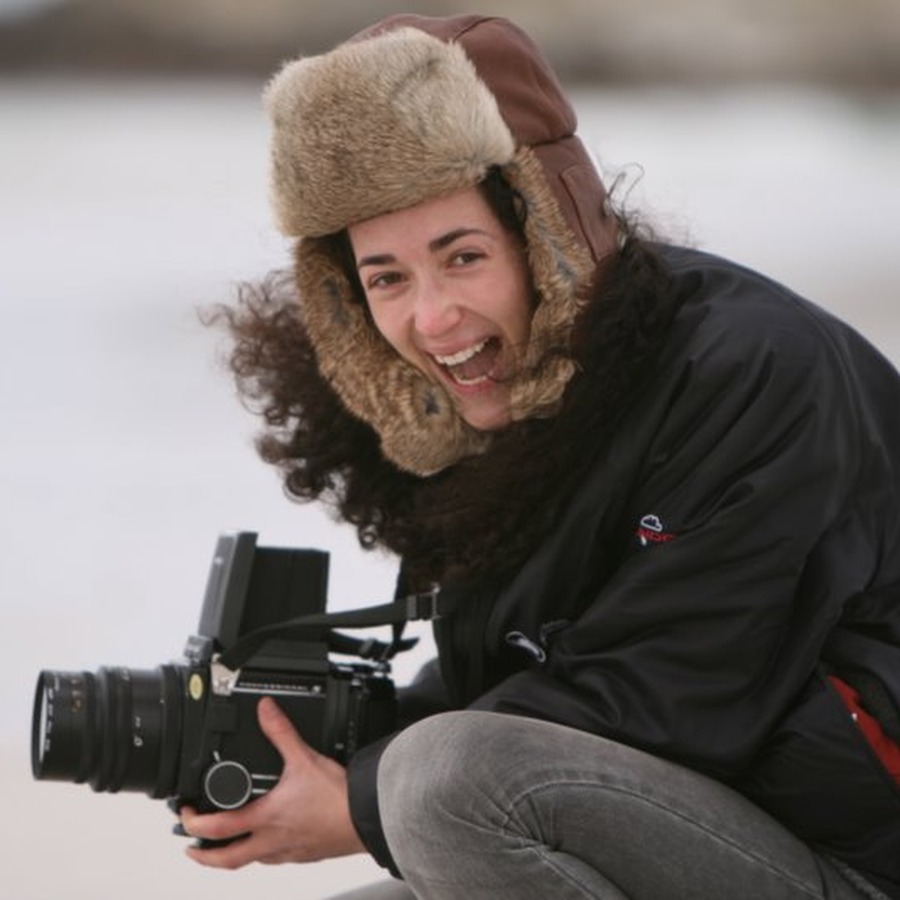
I spent a lot of time in New York between 2005 and 2006 involved, among other things, with the Harold Clurman Center on Poetry and Poetics. In 2007 I received a Darwin Now Award for research in the Canadian Arctic, followed by an International Fellowship with the British Antarctic Survey for work on the history of whaling.
From 2007 to 2010 I was a Fellow at the AHRC Centre for the Evolution of Cultural Diversity at University College London. That research became On Extinction, a book about extinction, memory, and the ideas that shaped humanity's changing relationship with the natural world. It was named one of Publishers Weekly's best nonfiction books of 2012 and received the Santa Barbara Library's Green Award for environmental writing.
Philosophy of embodiment
Over the following decade, my work moved increasingly towards questions of embodiment, animality, and the nature of living beings. How to Be Animal examined the difficulty humans have in accepting their animal nature, and the ways awareness of vulnerability and death has shaped philosophy, religion, society, and technology.
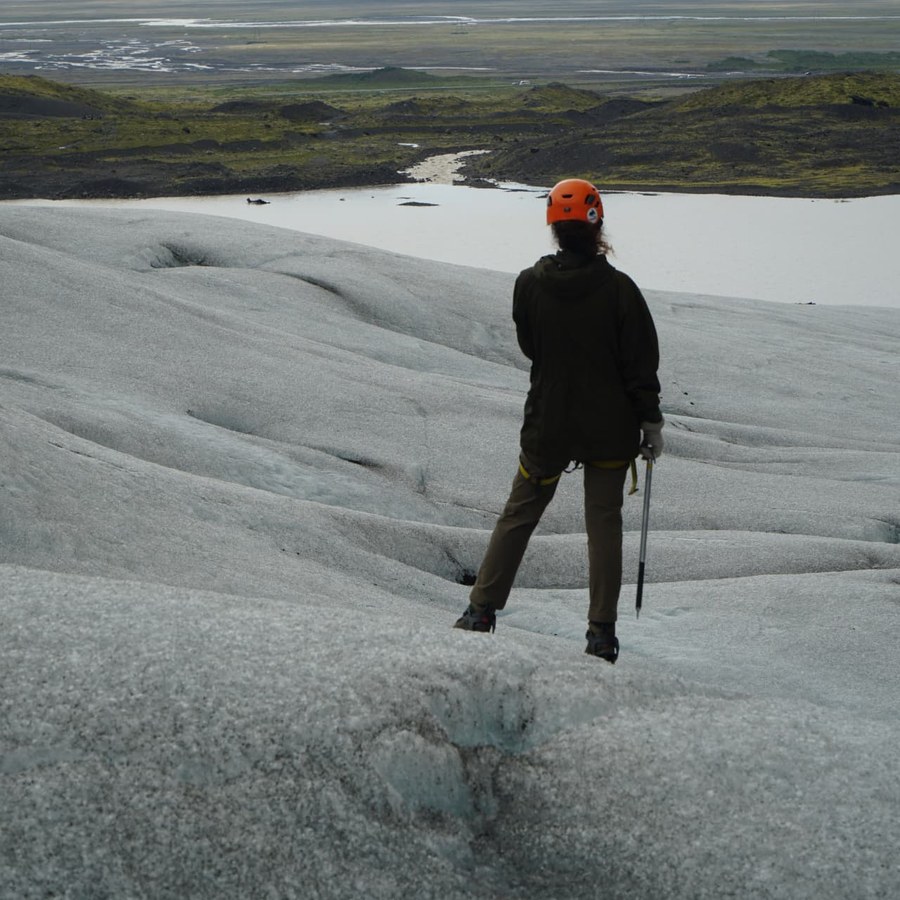
Alongside the writing, I began to focus on bioethics and the history and philosophy of science. I have been a visiting scholar at the Hannah Arendt Center for Politics and the Humanities, a visiting fellow in the Philosophy Department at Durham University, and an affiliate of the Hastings Center for bioethics.
In 2019 I joined the Nuffield Council on Bioethics, where I became Deputy Co-Chair and co-chair of its priority area on environment and health. I edited Animal Dignity: Philosophical Reflections on Nonhuman Existence in 2023 and, in the same year, became a Vice President of the RSPCA.
Throughout this time, I continued writing poems and working on opera projects with composer Mark Simpson. Together we were 2013 Jerwood Opera fellows.
Researched across six years, my latest book Alive: The Hidden Intelligence of the Living World brought these interests together in an enquiry into the origins of agency and intelligence. In 2025, I became a National Geographic Explorer.
Human moral failure often begins when a byproduct of living activity is granted priority over the living being themselves.
Influences
- Mary Midgley
- Ursula Le Guin
- Hermann Broch
- John Donne
- J. M. Coetzee
- Henry Vaughan
- George Steiner
- W. G. Sebald
- Anna Akhmatova
- Goethe
- Anthony Hecht
- Aristotle
- John Berger
Creative crushes
My creative crushes have included, but are in no way limited to:
- Kate Bush
- David Bowie
- Leonora Carrington
- Dorothea Tanning
- Walt Whitman
- Sibelius
- Ligeti
- Górecki
- Messiaen
- Poulenc
- Norma Waterson
What others have said
"Challenger is an exquisite writer … capable of astonishing flourishes of phrase."
Olivia Laing · On On Extinction
"The courage of an explorer, the scientific curiosity of a botanist and a geologist … the compassion of a cultural anthropologist."
Publishers Weekly · On On Extinction
"Sublime, precise, darkly foreboding, perpetually risking loss."
Harold Bloom · On Galatea
"A dizzyingly ambitious attempt to correct this destructive logic by examining its genesis."
Charlotte Shane, Bookforum · On How to Be Animal
"Impassioned and intelligent, this is a treatise with the possibility to change minds."
Publishers Weekly · On How to Be Animal
"A fascinating and cutting-edge meditation on humanity … a truly remarkable read."
Courtney Eathorne, Booklist · On How to Be Animal
"An ambitious examination … I struggle to think of a book for whose subject I have felt more sympathy and excitement."
Edward Posnett, The Guardian · On Alive
"The best critique of the myth of human exceptionalism I have read. Read and digest this book, and you will not only be wiser but also happier."
John Gray · On How to Be Animal
"Written with equal parts wit, eloquence, and erudition."
William Egginton · On Alive
"Alive hits like a shock to the body: bracing and brilliant."
Jonathan Blake · On Alive